Choosing the right ute canopy isn’t only about looks or storage. It’s about safety, vehicle performance, and long-term value. One of the most misunderstood aspects of canopy selection is the difference between dynamic and static weight ratings.
If you’re adding a rooftop tent, hauling heavy gear, or heading off-road, knowing these ratings is essential for protecting your vehicle and getting the best performance from your canopy.
Key Takeaways
- Dynamic vs static weight explained – Understand the difference between the two.
- Why weight ratings matter – Safety, performance, and vehicle lifespan.
- Practical examples – Rooftop tents, tradesmen tools, off-road trips.
- Choosing the right canopy – How to match your needs with the correct rating.
- Carryboy QLD advantage – Premium, tested canopies for every application.
Dynamic vs Static Weight Explained
Think of dynamic weight as “on the move” strength. It’s the load limit when your 4×4 is driving, cornering and braking. Static weight, on the other hand, applies when the vehicle is parked, such as when you’re sleeping in a rooftop tent or storing heavy gear overnight.
The difference matters because a stationary vehicle experiences no road vibrations or sudden impacts. A canopy might safely support 400 kg while parked (static), but only 100 kg when driving (dynamic). This gap often surprises new 4×4 owners who only look at the higher number.
Why Weight Ratings Matter
Ignoring weight ratings can damage your canopy, roof racks, and even your ute’s chassis. Overloading:
- Reduces fuel efficiency and braking performance
- Increases the risk of rollovers on steep or uneven tracks
- Shortens the lifespan of suspension and tyres
- Can void warranties or lead to failed insurance claims
Whether you’re a weekend camper or a tradie carrying heavy tools, correct weight distribution keeps your vehicle safe, legal, and ready for any journey.
Practical Examples
- Rooftop tents: A tent that weighs 80 kg might seem fine when parked, but add passengers, bedding, and gear and you can exceed the static rating.
- Tradespeople’s tools: Daily loads of ladders or heavy equipment need to stay under the dynamic rating for highway driving.
- Off-road trips: Rough terrain adds stress, effectively reducing the safe dynamic weight.
- Family holidays: Bikes, kayaks, and camping gear can quickly add unexpected kilos, especially when water or fuel is included.
What Is Dynamic Weight?
Dynamic weight refers to the total load your canopy can handle while the vehicle is in motion. This includes the weight of roof racks, rooftop tents, solar panels, awnings, and any gear mounted on top. Because motion adds stress through bumps and vibrations, dynamic ratings are always lower than static ratings.
What Is Static Weight?
Static weight is the maximum load your canopy can support when your ute is stationary. It matters for campers who sleep in rooftop tents or anyone who stores gear on top overnight. With the vehicle still, the canopy can safely carry more weight because there’s no movement. Static weight is what lets you set up a comfortable basecamp or store equipment long-term without stressing the structure.
Why the Difference Matters
A common misconception is that if your canopy can hold 400 kg while parked, it can also hold 400 kg while driving. In reality, exceeding the dynamic rating can crack welds, bend frames, or cause roof racks to fail. Insurance claims may be denied if you overload your vehicle. The key is to treat dynamic and static ratings as two separate safety rules rather than interchangeable numbers.
Common Mistakes & Misconceptions
- Assuming all canopies are equal: Different brands and materials vary widely in strength and engineering.
- Forgetting to include accessories: Roof racks, awnings, and solar panels all add to the total weight.
- Not checking the vehicle’s roof limit: Your ute’s factory roof rating may be lower than your canopy’s rating.
- Overlooking off-road conditions: Corrugations and deep ruts create forces well above standard road driving.
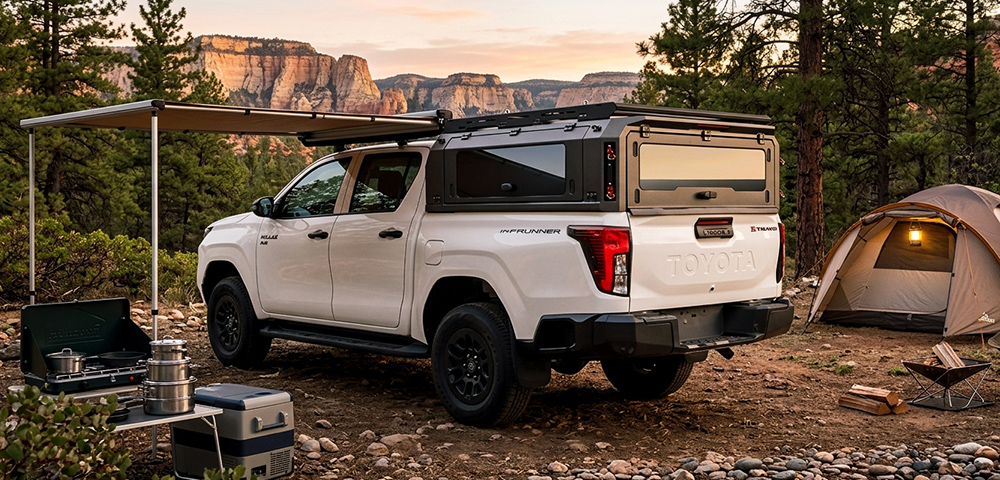
Choosing the Right Canopy
When weighing up a dynamic vs static weight canopy, consider:
- Your lifestyle: Campers need higher static ratings for rooftop tents and overnight gear.
- Work needs: Tradespeople carrying tools or machinery should focus on strong dynamic ratings for daily driving.
- Vehicle model: Always check the manufacturer’s roof capacity and pair it with a tested canopy.
- Future upgrades: Plan for extra gear you may add later, from solar panels to recovery equipment.
If you plan to camp and carry tools, choose a canopy that balances both ratings and factor in all your accessories before buying.
The Carryboy QLD Advantage
Carryboy QLD supplies premium ute canopies that undergo rigorous testing for both dynamic and static weight performance. Whether you need a stylish fibreglass canopy for weekend adventures or a heavy-duty option for trade work, our range is built to handle Australia’s toughest conditions. We provide expert advice tailored to your vehicle model and intended use, ensuring you leave with a canopy that fits perfectly and performs reliably.
FAQs
Only if the canopy’s dynamic and static ratings support the combined weight of the tent and occupants.
Yes. Corrugations and rough tracks increase stress on the vehicle and canopy, so keep loads well below the maximum dynamic limit.
Not necessarily. Quality and engineering matter more than material. Always check the specific canopy’s specifications.
Add the weight of roof racks, accessories, and gear. Don’t forget water, fuel, or recovery boards, which can add significant kilos.
Ready to Upgrade? Explore Carryboy QLD Canopies
Understanding the difference between dynamic and static weight is vital for safe, enjoyable 4×4 adventures. Whether you’re carrying trade equipment or setting up camp under the stars, choosing the right canopy guarantees your gear and passengers stay protected.
For expert guidance and a range of rigorously tested canopies, visit Carryboy QLD’s canopy page or speak with our team today. With the right advice, your next off-road trip or day on the job will be safer, more reliable, and a lot more enjoyable.